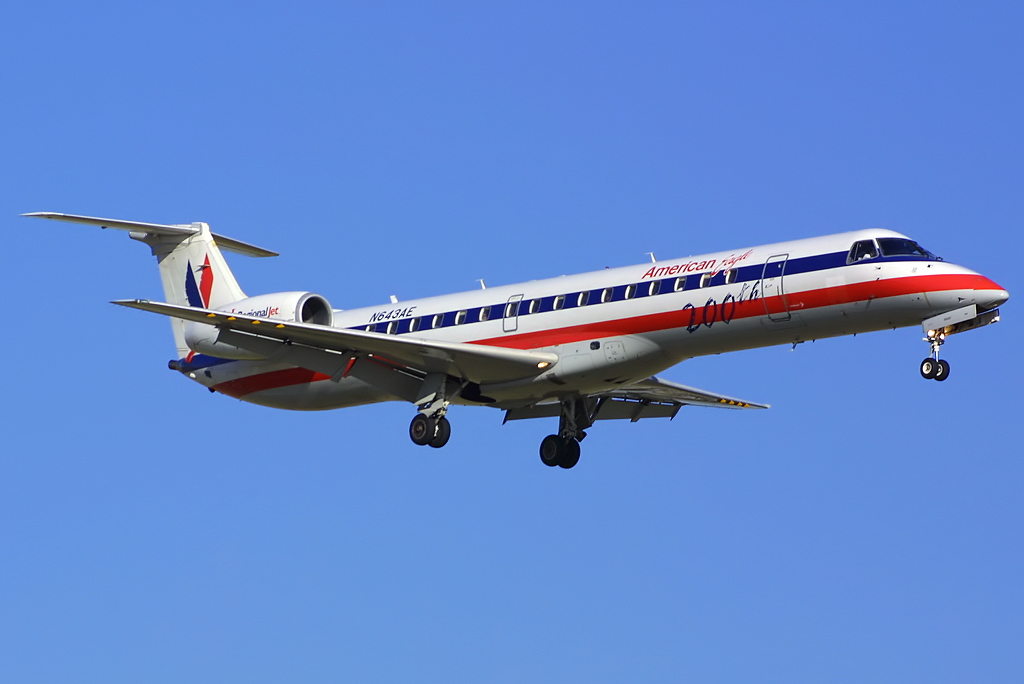
My next Taking Wing column is coming out in a few days in Flying's March 2014 issue, and takes on the much-discussed (and sometimes disputed) pilot shortage. It was sparked by a string of articles in major newspapers over the past year, cockpit conversations I've had on the subject, and the sudden, inexplicable concessionary environment that has emerged at the regionals. As usual, the column is written mostly for a non-airline, general aviation audience. Therefore I wrote another essay, somewhat on the same subject but written more for an airline pilot audience and addressing the concessions more directly. I posted it to the Airline Pilot Central forums, where it received quite a bit of attention, and it went a bit viral after that, being reposted on various forums and email lists. This essay is copied below. If you like it, check out the March issue of Flying when it comes out. In a few days I'll also write a post containing the retirement and new commercial pilot statistics & analysis used in writing both articles.
The Insanity of Concessions in 2014
It’s just about all that pilots are talking about these days: in
classrooms, at flight schools, in cockpits of airplanes big and small,
the pilot shortage is on everyone’s mind and everyone’s lips. Mind you,
not everyone is a true believer: many of us have been hearing about the
pilot shortage our entire careers, even as we were furloughed, stuck on
stagnant seniority lists, and forced to start over at poverty-level
wages. Much of the loudest hype comes from the flight training industry
and others with something to gain. Every time the shortage seems to be
gaining steam, something unforeseen comes along and pushes it back
another five years. It’s not surprising that so many pilots – regional
pilots especially – are so cynical about the current shortage talk.
And yet, the numbers are incontrovertible. The three remaining legacy
megacarriers (Delta, United, & American) will see a huge pilot
retirement spike in the coming years, peaking in 2023 and not really
easing until another decade after that. In the next five years alone,
they will lose 5098 pilots to mandatory retirement. By 2023, that number
increases to 15,235; by 2027, the number is 23,850, or 64% of the
current seniority lists. Add in FedEx and UPS, and the 14-year total is
28,450. The national and non-legacy majors add thousands more.
Now, there is still a lot of flight training infrastructure in this
country, and we certainly have the capability to train 30,000 new pilots
in the next 14 years. The problem is that historically low numbers of
people are investing $80,000 or more in training for a career and
industry whose troubles have been widely publicized in the general
media. The FAA issued fewer commercial certificates in the last three
years than any other period since the early 1980s, and a large portion
of these were issued to foreign nationals who plan to return home to fly
for their national carriers. Even if the pilot shortage publicity
sparks a renewed wave of flight training, there will be a 3-4 year lag
before these new entrants are qualified to fly for an airline, by which
time the effects of the shortage will be very deeply felt and rapidly
multiplying.
Of course, these effects will not be felt equally by all sectors of
the industry. The three airlines retiring the most pilots will be almost
entirely unaffected. They know that their pay and benefits will attract
enough pilots from the military, corporate world, lower-paid national
carriers, and regional airlines to easily replace their retirees. In
fact, the regionals
alone have over 21,000 pilots, most qualified
to fly for the major airlines and many planning to do exactly that. It
is who will replace these regional pilots that is the real problem –
especially since the modern regionals represent such a large share of
the major airlines’ domestic networks. Already, with the shortage barely
underway, the lowest-paid regionals like Great Lakes have been
absolutely crippled by a dearth of qualified pilots willing to work for
them, and more established regionals like American Eagle are already
offering signing bonuses of $5000 or more to meet their rather modest
demand for pilots. In the very early stages of major airline hiring,
airlines like Endeavor are already losing many more pilots than they can
entice to show up for class. If you look at the retirement numbers
discussed above, it becomes clear that the later effects of the shortage
will be far, far more pronounced.
Any first-year Econ student could tell you that in this situation,
with a shortage of qualified labor, one can expect wages to rise. And
yet, here we have a peculiar example of an entire industry defying the
laws of economics, for the very opposite is presently true: there is
strong
downward pressure on regional pilot wages. This is because
the newly emboldened mega-legacies are treating their erstwhile
regional partners much like Walmart treats its suppliers: smaller,
vulnerable targets to be bullied into submission and forced to slash
costs, even to their own detriment, because the alternative is
annihilation. Regional management has grown increasingly desperate,
having seen their peers unsuccessfully attempt branded flying (ACA,
ExpressJet), merging with other carriers (Pinnacle, ASA), or
diversifying their partnerships (Mesa, Republic) in an effort to survive
the storm. They are now willing to slash costs no matter the
consequence, even if it eventually robs them of pilots to fly the
airplanes, so long as it lets them live to fight another day. To do
this, they are preying on their pilots’ insecurities about their
careers, forged in the turmoil of the post-9/11 era and not yet attuned
to the opportunities of a labor shortage.
Pinnacle was the first to do this, with Delta pulling the strings and
assisted by a bankruptcy court. They were able to convince their pilots
that rejecting concessions would result in an even worse contract being
imposed by the court, Delta slashing capacity at the airline, and the
loss of many jobs. This was the stick; the carrot was a promise of
future mainline jobs. Together it was enough to lure the pilots into
massive concessions only a year after securing a very hard-won contact
that took years to negotiate. PSA was next. Outside of bankruptcy, they
were able to convince their pilots that their 50-seat exposure spelled
eventual doom, and only voluntary concessions to secure 76-seat flying
could save them. And now American Eagle, the second-largest regional
airline in the nation, is telling its pilots that they must endure a
second round of draconian concessions only 18 months after approving the
first round – or be shut down as Comair was. This, even while they
offer $5000 signing bonuses to attract new pilots! The sheer nerve of it
is breathtaking.
The problem here is that the turmoil and stagnation of the last 13
years, coupled with a seniority system that traditionally ties a pilot’s
career to the health of his airline, has made it very easy to convince
pilots that the death of one’s employer means the death of one’s career.
In the context of the regionals and the pilot shortage from 2014
forward, it’s simply not true. First off, the major airlines are not
looking to reduce system capacity. Their yields are consistently high,
they are making record profits, and they have begun ordering airplanes.
While they will continue to shift capacity from the regionals to
mainline, they
will not cut overall capacity. Coupled with the
massive retirements at the majors, this means ample job opportunities
for regional pilots
regardless of how long individual regional
airlines survive. Secondly, any shutdown of a regional airline – due to
lack of concessions, or more likely, due to other industry conditions –
will necessarily be long and drawn out, as Comair was. Delta taking
possession of Pinnacle in bankruptcy rather than risk a shutdown, at a
time Delta was actively trying to get rid of 50-seaters, shows that they
could not afford to cut or shift that capacity suddenly. If Eagle is
shut down – with or without concessions – I expect it will be drawn down
at roughly the rate of pilot attrition, not with massive furloughs
sending starving FOs to the unemployment dole. Thirdly, it’s not clear
where capacity could be shifted
to, if not mainline; few regionals can easily staff their
present flying, to say nothing of growth.
The reality is that concessions will not save the regional airline
industry; they will only prolong its demise. The regional business model
of the past 20 years is essentially dead. It was always based on cheap
fuel, a cheap and plentiful labor supply, low employee longevity, new
airplanes with inexpensive maintenance, expensive and unproductive
mainline pilot contracts, and nearly endless growth. None of these
conditions apply anymore. The pilot shortage is the final nail in the
coffin. Going forward, the industry will slowly return to its roots of
the 80s and early 90s: a niche player in small markets where high yields
can justify high costs. It benefits none of us to prolong this process,
keeping more of us at the regionals longer. It benefits none of us to
put downward pressure on wages of airplanes that will likely end up at
mainline in the long run. It benefits none of us to accept smaller
paychecks at a time that our skills are becoming increasingly valuable.
Finally, regional pilots
of all people ought to recognize the
moral repugnance of freezing pay for newhires who will work for the
regionals after we’re gone, consigning future pilots to even worse wages
than the ones we’ve spent so much time lamenting. How many times have
we decried major airline pilots selling scope and creating a C-scale?
And yet there are many of us prepared to do essentially the same thing
to those who follow in our footsteps! It’s utterly shameful, and given
current industry conditions, more than a little insane. The
only thing that can prompt us to do something so illogical – the
only
tool in management’s toolbox these days – is fear. The pilots of
ExpressJet are to be commended for taking a clearheaded look around the
industry, realizing that there is nothing to fear but fear itself, and
making a stand for their chosen profession. It is my sincere hope that
the pilots of American Eagle will heed their example, reject the
poisonous whispers of the fearmongers, and make us proud.